
Understanding the Difference Between Glass-to-Metal and Ceramic-to-Metal Seals
When selecting the right hermetic sealing technology, many engineers compare Glass-to-metal seals vs. Ceramic-to-Metal Seals to determine which solution best fits their application. Both technologies create airtight, leak-proof seals that protect sensitive electronics from moisture, gases, dust, and harsh environmental conditions. However, each offers unique advantages depending on operating temperatures, electrical requirements, mechanical strength, and design complexity. Glass-to-metal seals are commonly chosen for precision electronic assemblies because of their excellent electrical insulation and reliable hermetic performance. Ceramic-to-metal seals, on the other hand, provide superior strength and thermal resistance, making them ideal for demanding industrial and high-power applications.
Benefits of Glass-to-Metal Seals and Ceramic-to-Metal Seals
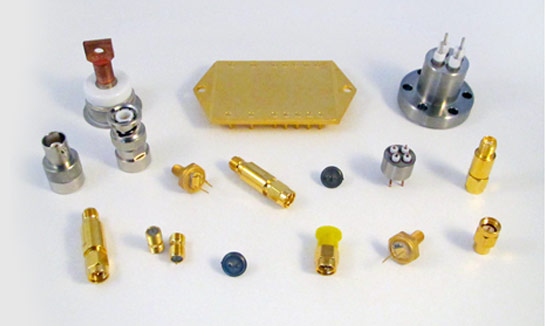
Glass-to-metal seals are manufactured by permanently bonding specialized glass to metal components, creating highly reliable hermetic barriers with excellent dimensional stability and long service life. They are widely used in Hermetic connectors, hermetic feedthroughs, and hermetic headers because they provide exceptional electrical insulation while supporting compact, high-density designs. Ceramic-to-metal seals utilize advanced ceramic materials that offer higher mechanical strength, superior dielectric performance, and greater resistance to extreme temperatures and pressure. These characteristics make ceramic seals especially valuable for aerospace, military, energy, and industrial applications where equipment must operate under severe environmental conditions. Choosing between the two technologies depends on your application’s electrical performance, mechanical demands, environmental exposure, and manufacturing requirements.
Applications Across High-Reliability Industries
Both glass-to-metal and ceramic-to-metal seals are trusted across industries where reliability is essential. Aerospace companies use these technologies in satellites, avionics, and communication systems that require dependable hermetic protection. Medical device manufacturers rely on both sealing methods for implantable devices, imaging equipment, and diagnostic instruments that demand long-term performance and patient safety. Semiconductor manufacturers, defense contractors, industrial automation companies, and scientific laboratories also integrate these sealing technologies into hermetic packages, hermetic connectors, and custom electronic assemblies. Their proven ability to protect sensitive electronics while maintaining stable electrical performance makes both technologies indispensable in modern engineering.
Complete Hermetics Provides Both Hermetic Sealing Solutions
Whether your application requires glass-to-metal seals, ceramic-to-metal seals, or a combination of both technologies, Complete Hermetics delivers custom-engineered solutions tailored to your exact specifications. Our capabilities include glass-to-metal seals, ceramic-to-metal seals, hermetic seals, hermetic connectors, hermetic feedthroughs, hermetic headers, hermetic packages, vacuum feedthroughs, and complete custom hermetic solutions for virtually every high-performance industry. Our experienced engineering team works closely with customers to evaluate application requirements and recommend the most effective sealing technology for long-term reliability. From prototype development through production manufacturing, Complete Hermetics is committed to delivering precision, quality, and dependable performance.
- Contact Form: https://www.completehermetics.com/contact-us/
- Phone: 714-265-1238
- Email: info@completehermetics.com
- Website: www.completehermetics.com