Ceramic-to-Metal Seals and Feedthroughs

Hermetic Seals for Long-Term Electronic Protection

How Hermetic Seals Protect Critical Electronic Systems

Hermetic seals are the foundation of reliable electronic packaging, providing an airtight barrier that protects sensitive components from moisture, gases, chemicals, dust, and other environmental contaminants. In industries where equipment must perform continuously for years without failure, a dependable hermetic seal is not simply an advantage—it is a necessity. Whether used in aerospace satellites, implantable medical devices, military electronics, semiconductor equipment, or energy systems, hermetic seals help maintain the integrity of sensitive electronics while preserving long-term performance. These precision-engineered sealing solutions also reduce corrosion, electrical degradation, and premature component failure, lowering maintenance costs and improving product reliability. As technology advances and electronic systems become increasingly compact and sophisticated, the importance of high-quality hermetic sealing continues to grow.

Advanced Sealing Technologies for Reliable Performance

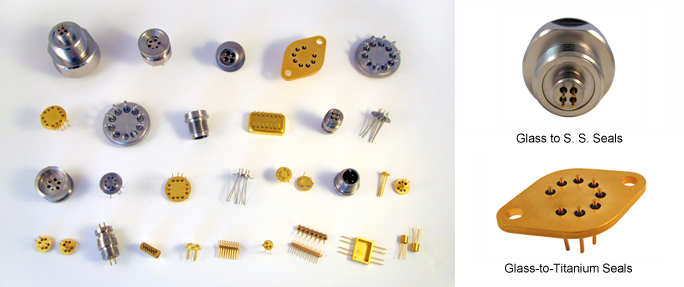
Modern hermetic seals are manufactured using advanced technologies such as Glass-to-metal seals and Ceramic-to-metal seals, both of which create durable, leak-tight bonds between conductive materials and protective housings. Each sealing method offers unique advantages depending on the application’s electrical, thermal, and mechanical requirements. Engineers carefully select materials based on factors including thermal expansion, operating temperature, voltage, pressure, and environmental exposure. These precision-engineered seals are designed to withstand vibration, thermal cycling, corrosion, and mechanical stress while maintaining exceptional electrical insulation. By combining proven sealing technologies with precision manufacturing, hermetic components continue to deliver dependable performance in some of the world’s most demanding environments.

Applications Across Multiple High-Reliability Industries

The versatility of hermetic seals makes them essential across a broad range of advanced industries. Aerospace manufacturers depend on hermetic sealing to protect avionics, satellites, spacecraft, and navigation systems operating under extreme environmental conditions. Medical device companies use hermetic connectors, hermetic feedthroughs, and sealed electronic assemblies in pacemakers, neurostimulators, imaging systems, and diagnostic equipment where patient safety depends on long-term reliability. Semiconductor manufacturers, defense contractors, renewable energy companies, industrial automation providers, and scientific research laboratories also integrate hermetic sealing technologies into hermetic packages and hermetic headers to ensure stable electrical performance and environmental protection. Their ability to prevent contamination while preserving electronic functionality makes hermetic seals a critical component in today’s high-performance electronic systems.

Complete Hermetics Provides Custom Hermetic Sealing Solutions

When your application requires dependable Hermetic seals, Complete Hermetics delivers precision-engineered solutions backed by extensive hermetic manufacturing expertise. We are a custom manufacturer specializing in Hermetic seals, Glass-to-metal seals, Ceramic-to-metal seals, hermetic connectors, hermetic feedthroughs, hermetic headers, hermetic packages, vacuum feedthroughs, and complete custom hermetic solutions designed to meet your exact engineering specifications. Our experienced engineering team partners with customers from concept and prototype development through production manufacturing, ensuring every product meets demanding electrical, mechanical, and environmental requirements. Whether you need a standard hermetic component or a fully customized sealing solution, Complete Hermetics is committed to delivering exceptional quality, responsive engineering support, and long-term reliability.

Contact Complete Hermetics today to discover how our custom hermetic sealing solutions can help protect your next high-reliability application.

Request a Custom Hermetic Solution:

Ceramic-to-Metal Seals and Feedthroughs

Glass-to-Metal Seals vs. Ceramic-to-Metal Seals: Which Is Better?

Understanding the Difference Between Two Hermetic Sealing Technologies 

When engineers compare glass-to-metal seals vs. ceramic-to-metal seals, the goal is to determine which technology best meets the performance requirements of a specific application. Both sealing methods create airtight, leak-proof barriers that protect sensitive electronics from moisture, gases, pressure fluctuations, and other environmental contaminants. However, each technology offers unique advantages depending on factors such as operating temperature, electrical insulation, mechanical strength, and package design. Glass-to-metal seals are known for their precision, compact design, and excellent hermetic performance, while ceramic-to-metal seals are valued for their superior strength and ability to withstand extremely high temperatures and demanding environments. Understanding these differences allows engineers to make informed design decisions that improve product reliability and long-term performance.

When to Choose Glass-to-Metal Seals

Glass-to-metal seals are widely used in applications requiring exceptional electrical insulation, dimensional stability, and compact packaging. By permanently bonding specially formulated glass to compatible metals such as Kovar®, manufacturers create durable hermetic assemblies capable of maintaining leak-tight performance through years of operation. These seals are commonly found in hermetic connectors, hermetic feedthroughs, and hermetic headers used in aerospace, telecommunications, semiconductor equipment, and medical devices. Glass-to-metal technology also supports high-density electrical designs while maintaining excellent resistance to moisture, thermal cycling, and environmental stress. For applications where precision manufacturing and long-term hermetic reliability are priorities, glass-to-metal sealing remains one of the industry’s most trusted solutions.

When Ceramic-to-Metal Seals Are the Better Choice

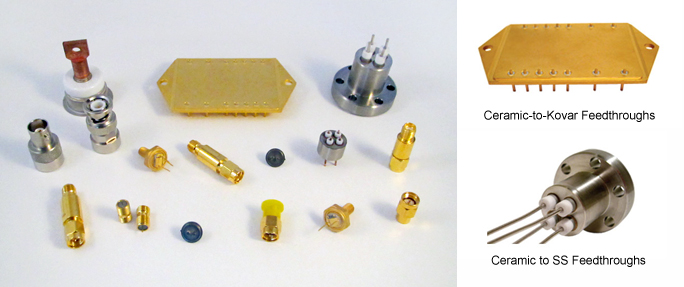
While Glass-to-metal seals excel in many electronic applications, ceramic-to-metal seals offer advantages for systems operating under even more demanding conditions. Advanced ceramic materials provide exceptional dielectric strength, mechanical durability, and resistance to extreme temperatures, making them ideal for defense, aerospace propulsion, energy production, and industrial equipment. These seals are frequently incorporated into hermetic packages, hermetic connectors, and high-power electrical assemblies where higher current capacity and structural strength are required. Ceramic materials also perform exceptionally well in corrosive environments and applications involving continuous thermal stress. Rather than competing technologies, glass-to-metal and ceramic-to-metal sealing methods complement one another by addressing different engineering challenges across a broad range of industries.

Complete Hermetics Provides Both Sealing Technologies

Whether your project requires Glass-to-metal seals, Ceramic-to-metal seals, or a combination of both technologies, Complete Hermetics delivers custom-engineered hermetic solutions designed for long-term reliability. We are a custom manufacturer of Glass-to-metal seals, Ceramic-to-metal seals, hermetic connectors, hermetic feedthroughs, hermetic headers, hermetic packages, vacuum feedthroughs, and complete custom hermetic solutions tailored to your exact specifications. Our experienced engineering team works closely with customers to evaluate application requirements, recommend the optimal sealing technology, and manufacture products that meet demanding electrical, mechanical, and environmental standards. From prototype development to high-volume production, Complete Hermetics is committed to delivering exceptional quality, precision engineering, and responsive customer service.

Contact Complete Hermetics today to discuss your next hermetic sealing project and discover the right solution for your application.

Ceramic-to-Metal Seals and Feedthroughs

What Is Matched Seal Glass to Metal?

How Matched Seal Glass to Metal Technology Works

Matched seal glass to metal technology is one of the most precise methods used to create reliable hermetic seals for electronic and electrical components. Unlike compression sealing, this process joins specially formulated glass with metals that have closely matched coefficients of thermal expansion, allowing both materials to expand and contract together during temperature changes. This minimizes internal stress and creates a durable, leak-tight seal capable of protecting sensitive electronics for many years. Because of its dimensional stability and excellent electrical insulation, Matched seal glass to metal technology is widely used in aerospace, medical devices, telecommunications, semiconductor manufacturing, and scientific instrumentation. As electronic systems become increasingly compact and sophisticated, manufacturers continue to rely on this sealing method for dependable long-term performance.

Benefits of Matched Seal Glass to Metal Assemblies

One of the greatest advantages of Matched seal glass to metal assemblies is their ability to provide consistent hermetic performance under demanding operating conditions. Materials such as Kovar®, Alloy 42, and Alloy 52 are commonly paired with specially engineered sealing glass to produce strong, stable bonds that resist thermal cycling and environmental stress. These assemblies provide excellent electrical insulation while maintaining mechanical integrity throughout years of continuous operation. Engineers frequently incorporate Glass-to-metal seals, Hermetic connectors, and Hermetic feedthroughs into applications where precise electrical performance and leak-tight sealing are essential. The result is improved product reliability, reduced maintenance, and longer equipment service life.

Applications Across High-Reliability Industries

Manufacturers across multiple industries depend on Matched seal glass to metal technology for mission-critical applications. Aerospace companies utilize these assemblies in satellites, avionics, guidance systems, and communication equipment that operate in extreme temperatures and pressure conditions. Medical device manufacturers integrate matched seal technology into implantable devices, diagnostic equipment, and imaging systems requiring exceptional reliability and long-term stability. Semiconductor fabrication equipment, defense electronics, industrial automation systems, and scientific laboratories also rely on Hermetic packages, Hermetic headers, and precision Hermetic seals to protect sensitive electronic components from moisture, gases, and contaminants. Their proven reliability makes matched seal technology one of the industry’s preferred hermetic sealing solutions.

Complete Hermetics Designs Custom Matched Seal Solutions

When your application requires precision-engineered Matched seal glass to metal components, Complete Hermetics delivers custom solutions backed by decades of hermetic manufacturing expertise. We are a custom manufacturer of glass-to-metal seals, ceramic-to-metal seals, hermetic seals, hermetic connectors, hermetic feedthroughs, hermetic headers, hermetic packages, vacuum feedthroughs, and complete custom hermetic solutions tailored to your exact specifications. Our experienced engineering team partners with customers from design through production, ensuring every component meets demanding electrical, mechanical, and environmental performance requirements. Whether you need prototype development or high-volume manufacturing, Complete Hermetics is committed to delivering exceptional quality, precision, and long-term reliability.

Request a Custom Solution with Complete Hermetics Today:

Ceramic-to-Metal Seals and Feedthroughs

Glass-to-Metal Seals vs. Ceramic-to-Metal Seals

Understanding the Difference Between Glass-to-Metal and Ceramic-to-Metal Seals

When selecting the right hermetic sealing technology, many engineers compare Glass-to-metal seals vs. Ceramic-to-Metal Seals to determine which solution best fits their application. Both technologies create airtight, leak-proof seals that protect sensitive electronics from moisture, gases, dust, and harsh environmental conditions. However, each offers unique advantages depending on operating temperatures, electrical requirements, mechanical strength, and design complexity. Glass-to-metal seals are commonly chosen for precision electronic assemblies because of their excellent electrical insulation and reliable hermetic performance. Ceramic-to-metal seals, on the other hand, provide superior strength and thermal resistance, making them ideal for demanding industrial and high-power applications.

Benefits of Glass-to-Metal Seals and Ceramic-to-Metal Seals

Glass-to-metal seals are manufactured by permanently bonding specialized glass to metal components, creating highly reliable hermetic barriers with excellent dimensional stability and long service life. They are widely used in Hermetic connectors, hermetic feedthroughs, and hermetic headers because they provide exceptional electrical insulation while supporting compact, high-density designs. Ceramic-to-metal seals utilize advanced ceramic materials that offer higher mechanical strength, superior dielectric performance, and greater resistance to extreme temperatures and pressure. These characteristics make ceramic seals especially valuable for aerospace, military, energy, and industrial applications where equipment must operate under severe environmental conditions. Choosing between the two technologies depends on your application’s electrical performance, mechanical demands, environmental exposure, and manufacturing requirements.

Applications Across High-Reliability Industries

Both glass-to-metal and ceramic-to-metal seals are trusted across industries where reliability is essential. Aerospace companies use these technologies in satellites, avionics, and communication systems that require dependable hermetic protection. Medical device manufacturers rely on both sealing methods for implantable devices, imaging equipment, and diagnostic instruments that demand long-term performance and patient safety. Semiconductor manufacturers, defense contractors, industrial automation companies, and scientific laboratories also integrate these sealing technologies into hermetic packages, hermetic connectors, and custom electronic assemblies. Their proven ability to protect sensitive electronics while maintaining stable electrical performance makes both technologies indispensable in modern engineering.

Complete Hermetics Provides Both Hermetic Sealing Solutions

Whether your application requires glass-to-metal seals, ceramic-to-metal seals, or a combination of both technologies, Complete Hermetics delivers custom-engineered solutions tailored to your exact specifications. Our capabilities include glass-to-metal seals, ceramic-to-metal seals, hermetic seals, hermetic connectors, hermetic feedthroughs, hermetic headers, hermetic packages, vacuum feedthroughs, and complete custom hermetic solutions for virtually every high-performance industry. Our experienced engineering team works closely with customers to evaluate application requirements and recommend the most effective sealing technology for long-term reliability. From prototype development through production manufacturing, Complete Hermetics is committed to delivering precision, quality, and dependable performance.


Hermetic Sealing for Aerospace Applications


Hermetic sealing for aerospace systems is critical to ensure reliable performance in extreme pressure, temperature, and vibration conditions. Aerospace components must maintain airtight integrity while supporting electrical connectivity and mechanical stability across wide operating ranges.


Aerospace Demands Precision

Aircraft, satellites, and defense systems operate in environments where moisture ingress, pressure shifts, and thermal cycling can cause system failure. Hermetic seals prevent gas transmission through connectors and housings, protecting avionics, sensors, and communication systems.


Glass-to-Metal & Ceramic-to-Metal Seals

Complete Hermetics provides advanced glass-to-metal seals and ceramic-to-metal seals designed specifically for aerospace reliability. These sealing technologies ensure high dielectric strength, corrosion resistance, and long-term hermetic performance.


Lightweight and High-Strength Materials

Aerospace applications often require lightweight materials such as titanium and aluminum without sacrificing strength. Complete Hermetics engineers hermetic components using Kovar, stainless steel, titanium, and specialized alloys to meet flight-critical requirements.


Aerospace Applications

Hermetic components are widely used in avionics systems, satellite instrumentation, military aircraft electronics, and space exploration hardware.

Reliability Under Extreme Conditions

Aerospace environments expose components to altitude pressure shifts, vibration, and rapid thermal cycling. Hermetic sealing for aerospace applications ensures that avionics, sensors, and communication modules remain protected from atmospheric intrusion. Precision glass-to-metal seals and ceramic-to-metal seals prevent micro-leakage that could compromise flight systems. By maintaining airtight performance, hermetic components improve operational safety and minimize maintenance requirements. Aerospace engineers rely on durable hermetic technology to meet strict performance and regulatory standards in both commercial and defense sectors.


Trusted Aerospace Manufacturer

Complete Hermetics manufactures hermetic connectors, hermetic feedthroughs, hermetic headers, vacuum feedthroughs, and custom aerospace sealing solutions engineered for reliability in extreme aerospace environments.


High-Pressure Hermetic Seals for Extreme Environments

What Are High-Pressure Hermetic Seals?

High-pressure hermetic seals are designed to maintain a completely air-tight and gas-tight barrier in systems exposed to extreme pressure differentials. Hermeticity is defined as the state of being air or gas tight, and in interconnect applications, it refers to sealing technology that prevents gases from passing through pressure boundaries via connectors or feedthroughs. A classic hermetic application is a receptacle feedthrough penetrating a pressurized bulkhead or sealed equipment housing.

Why Pressure Integrity Matters

In high-pressure systems, even microscopic leaks can result in pressure loss, corrosion, electrical failure, or safety risks. Hermetic seals prevent gas migration while preserving electrical insulation and mechanical stability. This makes them essential in environments where reliability and safety are non-negotiable.

Custom Hermetic Sealing Solutions

Complete Hermetics specializes in custom hermetic products, including hermetically sealed connectors, hermetic headers, hermetic packages, hermetic seals, and hermetic feedthroughs. Every seal is engineered to meet specific pressure, temperature, and environmental requirements. Advanced modeling and prototyping capabilities allow precise optimization before production.

From Prototypes to Production

Whether customers require small-scale manufacturing for prototypes or mass production for thousands of components, Complete Hermetics supports the full lifecycle. The company works closely with customers to ensure exact specifications are met, regardless of application complexity.

Serving Global Industries

Located in Santa Ana, California, Complete Hermetics serves customers worldwide in aerospace, defense, energy, medical, offshore drilling, and industrial systems. High-pressure hermetic seals are widely used in pressurized vessels, downhole drilling tools, aerospace systems, and military equipment.

Contact Complete Hermetics Today

Complete Hermetics guarantees customer satisfaction through close collaboration, engineering expertise, and rigorous quality standards. Each hermetic seal is designed to perform reliably under extreme pressure and environmental stress.

Ceramic-to-Metal Seals for High-Temperature and High-Voltage Systems

When Ceramic-to-Metal Seals Are Required

Ceramic-to-metal seals are selected when operating conditions exceed the temperature, voltage, or durability limits of glass-to-metal sealing technologies. These seals are engineered for extreme environments where high electrical isolation, thermal stability, and long-term reliability are essential. Applications involving high voltage, high temperature, vacuum, or radiation exposure often require ceramic sealing solutions to ensure performance and safety.

Advanced Ceramic Sealing Technology

Ceramic-to-metal seals are typically manufactured using high-purity alumina ceramics combined with metallization and brazing processes. The ceramic provides exceptional dielectric strength and thermal resistance, while the metal components ensure mechanical integrity and compatibility with system housings. This combination allows ceramic seals to maintain hermeticity under severe thermal cycling and electrical stress.

Mechanical and Electrical Performance

Unlike glass, ceramic materials maintain dimensional stability at very high temperatures and exhibit minimal deformation under load. This makes ceramic-to-metal seals ideal for applications where electrical insulation must remain stable over extended operating periods. Their resistance to arcing and electrical breakdown further enhances safety in high-voltage systems.

Extreme Conditions and Long-Term Stability

Ceramic-to-metal seals also perform exceptionally well in vacuum and radiation-sensitive environments due to their low outgassing and material purity. While these seals are more complex and time-intensive to manufacture than glass seals, their durability and performance justify their use in mission-critical systems where failure is unacceptable.

High-Performance Applications

Common applications include aerospace propulsion systems, medical imaging probes, vacuum chambers, semiconductor processing equipment, high-temperature sensors, and defense electronics. These environments demand sealing solutions that can withstand prolonged exposure to heat, pressure, and electrical stress without degradation.


Contact Complete Hermetics

Complete Hermetics designs and manufactures custom ceramic-to-metal seals and feedthroughs, along with glass-to-metal seals,  hermetic connectors, hermetic headers, and hermetically sealed packages for extreme environments. The company also supports specialized requirements with custom hermetic feedthroughs, power packages, and custom hermetic solutions tailored to demanding applications. By combining advanced materials with precision engineering, Complete Hermetics delivers sealing technologies customers can rely on.

Glass-to-Metal Seals for Precision Hermetic Technology

How Glass-to-Metal Seals Work

Glass-to-metal seals are created by heating glass to a molten state and bonding it directly to metal under carefully controlled conditions. As the materials cool, the glass forms a strong, hermetic bond with the metal, creating an airtight and electrically insulating seal. This process allows electrical conductors to pass through metal housings without permitting moisture, gas, or contaminants to enter the sealed environment. Because of their proven reliability, glass-to-metal seals remain one of the most widely used hermetic sealing technologies across multiple industries.

Performance Advantages of Glass Sealing

One of the key advantages of glass-to-metal seals is their ability to maintain hermetic integrity under pressure changes, humidity exposure, and moderate temperature extremes. Glass provides excellent dielectric strength, corrosion resistance, and chemical stability, making it suitable for long-term use in harsh environments. Compared to epoxy or mechanical sealing methods, glass-to-metal seals offer significantly longer service life and more predictable performance over time.

Material Compatibility and Stability

Successful glass-to-metal sealing depends on matching the coefficient of thermal expansion (CTE) between the glass and metal components. Materials such as Kovar, Alloy 52, stainless steel, and copper-based alloys are commonly used to achieve this balance. When properly engineered, these seals tolerate thermal cycling and mechanical shock without cracking or leakage, making them suitable for both static and dynamic applications.

Manufacturing Precision and Repeatability

Glass-to-metal sealing requires precise control over glass composition, firing temperature, and cooling rates. This level of control ensures consistent quality and repeatability across production runs. As a result, glass-to-metal seals are ideal for both prototype development and high-volume manufacturing, allowing manufacturers to scale production without sacrificing reliability.

Common Applications

Glass-to-metal seals are widely used in glass-to-metal sealed lids, battery end seals, capacitor end seals, sensors, medical implants, and industrial electronics. They are also commonly found in automotive systems, pressure sensors, and energy storage devices where cost-effective hermetic performance is required.


Contact Complete Hermetics

Complete Hermetics is a custom manufacturer of hermetic sealing solutions, specializing in glass-to-metal seals, ceramic-to-metal seals, hermetic connectors, hermetic feedthroughs, hermetic headers, TO headers, vacuum feedthroughs, and battery end seals. The company designs and produces hermetically sealed components and custom hermetic assemblies for aerospace, defense, medical, energy, and telecom applications, delivering reliable performance in extreme environments from prototype development through full-scale production, backed by deep engineering expertise.

Hermetic Seals for High-Pressure and Harsh Environments

What Are Hermetic Seals?

Hermetic seals are engineered to create a completely airtight barrier that prevents moisture, gas, and contaminants from entering sensitive electronic or mechanical systems. These seals are essential in applications where even microscopic leakage can cause performance degradation, safety issues, or catastrophic system failure. Industries such as aerospace, defense, medical devices, energy, and offshore drilling rely on hermetic sealing to protect mission-critical components operating in extreme conditions.

High-Pressure and Corrosion Resistance

Unlike conventional gaskets or epoxy-based sealing methods, hermetic seals prevent gas transmission through pressure boundaries. Glass-to-metal seals and ceramic-to-metal seals are the most widely used hermetic technologies because they offer excellent electrical insulation, corrosion resistance, and mechanical strength. These seals are specifically designed to withstand high pressure, vibration, thermal cycling, and chemically aggressive environments.

Materials and Sealing Technologies

Hermetic seals are manufactured using materials such as Kovar, stainless steel, Alloy 52, titanium, and aluminum, selected for controlled thermal expansion and long-term structural stability. Glass and ceramic sealing processes are precisely controlled to prevent cracking during temperature changes. These technologies ensure predictable performance across wide temperature ranges and long service lifetimes.

Lifecycle Reliability and Compliance

Hermetic seals also play a critical role in safety, regulatory compliance, and lifecycle cost reduction. Poor sealing can lead to corrosion, insulation breakdown, or electrical failure. Hermetic seals are commonly validated using helium leak detection, thermal shock testing, and pressure cycling to ensure long-term durability in regulated industries.

Applications Across Industries

Hermetic seals are used in medical implants, aerospace avionics, lithium battery assemblies, semiconductor housings, downhole drilling tools, and high-vacuum systems. They are also increasingly used in automotive and electric vehicle electronics, where moisture resistance and long operational life are essential.

Contact Complete Hermetics

Complete Hermetics is a custom manufacturer of glass-to-metal seals, ceramic-to-metal seals, hermetic connectors, hermetic feedthroughs, hermetic headers, and hermetically sealed packages engineered for extreme environments. In addition to precision sealing solutions, the company offers vacuum feedthroughs, battery end seals, TO headers,  and power packages for aerospace, defense, medical, energy, and telecom applications. From prototype development through full-scale production, Complete Hermetics partners closely with customers to deliver precision-engineered hermetic solutions with unmatched reliability.

Contact Info:

Advanced Ceramic-to-Metal Seals and Feedthroughs for High-Temperature Performance

Why Ceramic-to-Metal Seals Are Superior

Ceramic-to-metal seals provide unmatched insulation strength, temperature resistance, and structural durability—making them ideal for systems exposed to extreme conditions. Unlike glass seals, ceramics retain mechanical and electrical stability at temperatures exceeding 500°C and remain intact during rapid thermal cycling. These properties make CTM seals indispensable in aerospace propulsion, medical imaging equipment, semiconductor fabrication tools, and scientific instrumentation.

Material Properties & Bonding Precision

Complete Hermetics uses high-purity alumina ceramics, metalized with tungsten-molybdenum or moly-manganese layers, to enable strong brazed joints with Kovar, titanium, or stainless steel housings. This combination allows ceramic-to-metal seals to achieve extremely low leak rates and high dielectric breakdown voltage. Optional plating—gold, nickel, or silver—improves conductivity, corrosion resistance, and long-term material stability.

Applications Across High-Temperature Industries

Ceramic-to-metal seals are essential in:

  • High-voltage power systems
  • Vacuum and plasma processing equipment
  • RF amplifiers and radar transmitters
  • Aerospace ignition and propulsion assemblies
  • Nuclear diagnostic sensors
  • Industrial heating and furnace control systems

Engineering Collaboration & Testing

Complete Hermetics works closely with engineers to determine ceramic thickness, dielectric spacing, pin configurations, and mounting styles tailored to each application. Every component undergoes helium leak detection, thermal shock testing, vacuum cycling, and electrical qualification to ensure longevity and reliability.

Contact Complete Hermetics

Count on Complete Hermetics for robust, precision-engineered ceramic-to-metal seals and feedthroughs— your trusted partner for extreme-environment reliability.