
Understanding the Difference Between Two Hermetic Sealing Technologies
When engineers compare glass-to-metal seals vs. ceramic-to-metal seals, the goal is to determine which technology best meets the performance requirements of a specific application. Both sealing methods create airtight, leak-proof barriers that protect sensitive electronics from moisture, gases, pressure fluctuations, and other environmental contaminants. However, each technology offers unique advantages depending on factors such as operating temperature, electrical insulation, mechanical strength, and package design. Glass-to-metal seals are known for their precision, compact design, and excellent hermetic performance, while ceramic-to-metal seals are valued for their superior strength and ability to withstand extremely high temperatures and demanding environments. Understanding these differences allows engineers to make informed design decisions that improve product reliability and long-term performance.
When to Choose Glass-to-Metal Seals
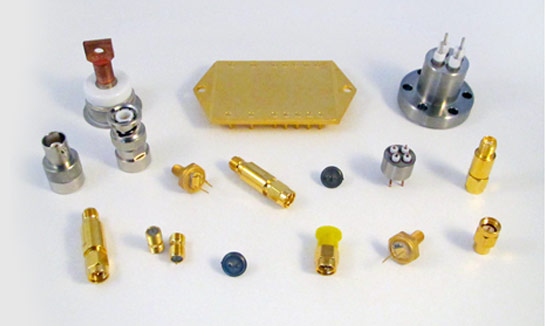
Glass-to-metal seals are widely used in applications requiring exceptional electrical insulation, dimensional stability, and compact packaging. By permanently bonding specially formulated glass to compatible metals such as Kovar®, manufacturers create durable hermetic assemblies capable of maintaining leak-tight performance through years of operation. These seals are commonly found in hermetic connectors, hermetic feedthroughs, and hermetic headers used in aerospace, telecommunications, semiconductor equipment, and medical devices. Glass-to-metal technology also supports high-density electrical designs while maintaining excellent resistance to moisture, thermal cycling, and environmental stress. For applications where precision manufacturing and long-term hermetic reliability are priorities, glass-to-metal sealing remains one of the industry’s most trusted solutions.
When Ceramic-to-Metal Seals Are the Better Choice
While Glass-to-metal seals excel in many electronic applications, ceramic-to-metal seals offer advantages for systems operating under even more demanding conditions. Advanced ceramic materials provide exceptional dielectric strength, mechanical durability, and resistance to extreme temperatures, making them ideal for defense, aerospace propulsion, energy production, and industrial equipment. These seals are frequently incorporated into hermetic packages, hermetic connectors, and high-power electrical assemblies where higher current capacity and structural strength are required. Ceramic materials also perform exceptionally well in corrosive environments and applications involving continuous thermal stress. Rather than competing technologies, glass-to-metal and ceramic-to-metal sealing methods complement one another by addressing different engineering challenges across a broad range of industries.
Complete Hermetics Provides Both Sealing Technologies
Whether your project requires Glass-to-metal seals, Ceramic-to-metal seals, or a combination of both technologies, Complete Hermetics delivers custom-engineered hermetic solutions designed for long-term reliability. We are a custom manufacturer of Glass-to-metal seals, Ceramic-to-metal seals, hermetic connectors, hermetic feedthroughs, hermetic headers, hermetic packages, vacuum feedthroughs, and complete custom hermetic solutions tailored to your exact specifications. Our experienced engineering team works closely with customers to evaluate application requirements, recommend the optimal sealing technology, and manufacture products that meet demanding electrical, mechanical, and environmental standards. From prototype development to high-volume production, Complete Hermetics is committed to delivering exceptional quality, precision engineering, and responsive customer service.
Contact Complete Hermetics today to discuss your next hermetic sealing project and discover the right solution for your application.
- Contact Form: https://www.completehermetics.com/contact-us/
- Phone: 714-265-1238
- Email: info@completehermetics.com
- Website: www.completehermetics.com