
Electrical Bulkhead Design for Multiple Conductors
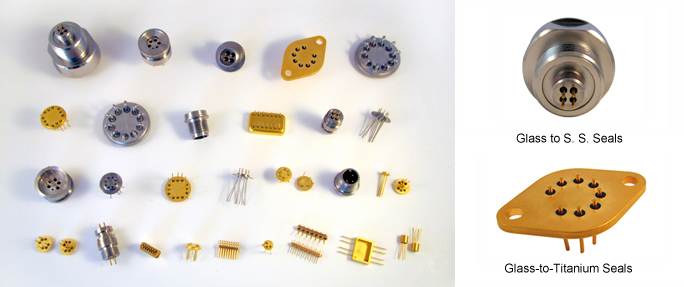
Multi-pin hermetic electrical feedthroughs allow several isolated electrical conductors to pass through a pressure boundary, vacuum chamber, or sealed equipment housing. A single bulkhead assembly can support multiple power and signal paths while minimizing the number of separate mechanical penetrations. The design typically incorporates metallic conductors, insulating glass or ceramic, and a housing or flange that interfaces with the equipment enclosure. Each conductor must maintain adequate electrical isolation from adjacent pins and the surrounding metal body. Engineers must balance contact density, conductor diameter, voltage clearance, and mechanical strength when specifying a multi-pin hermetic feedthrough.
Pin Configuration, Insulation, and Termination Methods
Contact layout directly affects electrical performance, manufacturability, and long-term reliability. Closely spaced conductors may increase risks associated with dielectric breakdown, parasitic capacitance, and electrical coupling, particularly in high-voltage or high-frequency systems. Glass-to-metal feedthroughs provide a compact sealing architecture, while ceramic-to-metal feedthroughs may be appropriate when additional thermal or dielectric performance is required. Termination methods can include solder connections, weldable conductors, and application-specific interconnect geometries. Complete Hermetics identifies laser-welded contacts and solder-in installation methods among its multi-pin feedthrough manufacturing capabilities.
High-Pressure and Downhole Instrumentation Applications
Electrical bulkhead hermetic feedthroughs are used in downhole instrumentation, submersible pumps, medical probes, and other equipment operating across pressure or environmental boundaries. Downhole applications may involve high pressure, elevated temperatures, vibration, and exposure to chemically aggressive fluids. Medical and cryogenic instrumentation introduces different constraints, including compact packaging, thermal cycling, and electrical isolation. The flange-to-housing joint must be evaluated independently from the internal pin seals because both interfaces contribute to overall system integrity. Engineers should define pressure ratings, conductor current limits, insulation resistance, leak-test criteria, and installation requirements before approving a production design.
Custom Multi-Pin Feedthrough Manufacturing
Complete Hermetics manufactures multi-pin hermetic feedthroughs and electrical bulkhead feedthroughs for custom industrial, energy, and medical applications. Its product offerings support multiple electrical connections through a single flange, reducing the need for individual enclosure penetrations. The company also provides glass-to-metal feedthroughs, ceramic-to-metal feedthroughs, hermetic connectors, hermetic headers, and related custom hermetic assemblies. Design discussions can address conductor spacing, termination methods, flange dimensions, installation processes, and environmental acceptance testing.
Contact Complete Hermetics for custom multi-pin feedthrough design, prototype development, and manufacturing quotations.
- Website: www.completehermetics.com
- Contact Form: https://www.completehermetics.com/contact-us/
- Phone: 714-265-1238
- Email: info@completehermetics.com