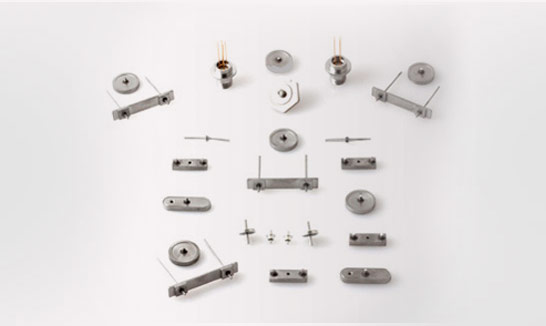
A Quick Primer on Hermetic Seals and Feedthroughs


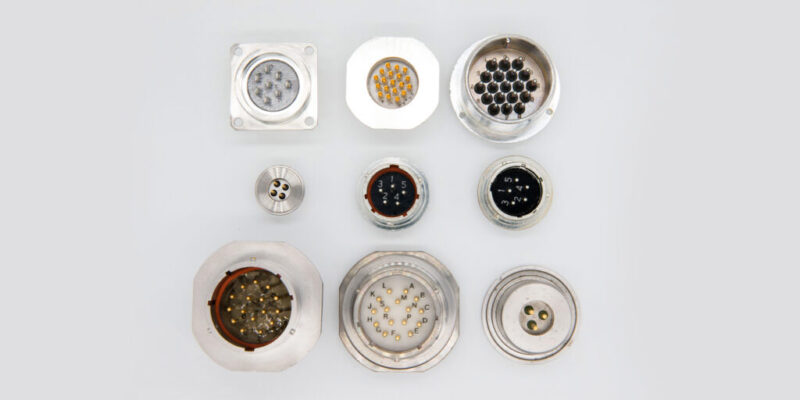
As you may know, hermetic feedthroughs allow energy or substances to migrate from outside a hermetically-sealed area to the inside. Maintaining hermetic seals is important with a feedthrough, but providing electrical isolation is also key. Strict performance standards call for no leakage while ensuring that a powerful vacuum remains.

Constructing Hermetic Feedthroughs

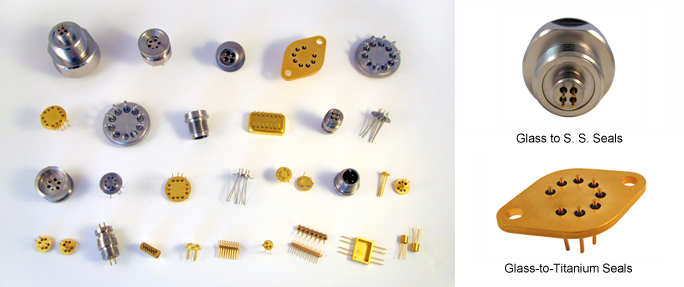
A hermetic feedthrough is created using similar techniques to creating hermetic seals. Its glass-to-metal construction incorporates molten glass that can be bonded tightly to metal. To achieve this feat, the glass must be heated to between 1,400 and 1,600 degrees Celsius. Some feedthroughs incorporate ceramic-to-metal or electrical sealing. Hermetic feedthroughs can fall into one of three unique categories:

  • Low-voltage
  • Water-cooled/RF
  • High-voltage

Critical Performance Standards

A high-quality feedthrough can resist extreme temperature shifts, changes in pressure and huge swings in humidity levels. When plated, feedthroughs can also resist corrosion and handle wire bonding or soldering. Depending on product specifications, a feedthrough may need to tolerate even more extremes without so much as a tiny amount of leakages. For feedthroughs used in medical equipment, such super-strict production standards are necessary.

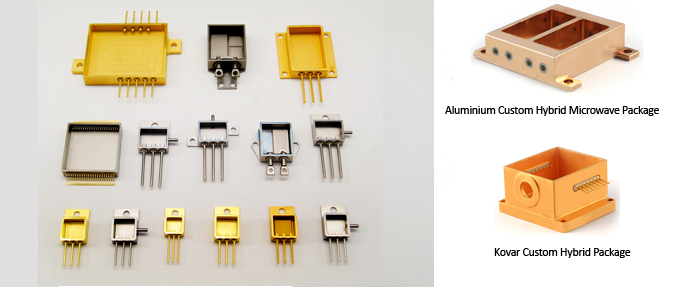
Complete Hermetics develops and manufactures hermetic seals and feedthroughs that deliver the dependability and durability needed in your applications. Besides our standard feedthroughs, we can also design custom versions that meet your needs. Call us at (714) 265-1238 or fill in the contact form for your needs  of hermetic seals and feedthroughs now.

Titanium headers

Ensure System Integrity with Quality Battery End Seals

No matter what technology you depend upon, system integrity is crucial. Advanced battery end seals utilize custom glass-to-metal sealing solutions capable of withstanding harsh environments that encounter extreme temperatures, humidity, pressure and electrochemical corrosion.

To ensure quality engineering, Complete Hermetics inspects and conducts rigorous testing for leakage rates, high energy isolation and break down voltage. Advanced material specifications make our battery end covers and capacitor lids ideal for many industries:

  • Communication systems
  • Medical and health equipment
  • Automotive applications
  • Sensor and monitor systems
  • Weapons systems

Lithium battery sealed lids are especially reliable. We offer a complete line of titanium connectors and terminals for equipment that requires excellent lithium battery performance.

Material Specifications for Battery End Seals

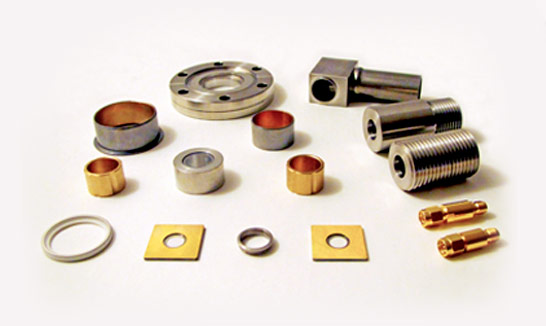
With a choice of materials, your company can select battery components tailored for specific applications. Body makeup includes a variety of high-quality metals: titanium, stainless steel, aluminum and more. Available pin materials include molybdenum, alloy 52, titanium and stainless steels, while glass materials include Corning 9010, Corning 9013, Cabal 12 and options for custom materials.

Lithium battery sealed lids provide the best technology for longevity and safety, ensuring steady performance in many crucial functions. At Complete Hermetics, we understand the need to keep systems going at all times. Talk to our experts today for help in selecting the optimal product for your critical applications.

Titanium headers

What Are Lithium Battery Seals?

Lithium battery seals preserve battery life by preventing the loss of electrolytes. A lithium battery glass-to-metal sealed lid is extremely effective in making a good seal.

Why Lithium Battery Seals Are Important

During normal use, a battery generates gas. This won’t be a problem unless the pressure inside the battery gets too high. Without a way to release the gas, the cell could rupture and damage the battery.

Specially-made battery end seals solve this problem by providing a low-pressure venting system. The battery end has a gasket that seals onto the cell. That gasket has a vent mechanism to release pressure, protecting the battery from damage.

Caring for a Lithium Battery

Lithium battery seals prolong the life of your battery but you can also protect it by making sure it doesn’t get too hot. Keep these things in mind:

  • Provide space between the battery and any heat source.
  • Keep your battery away from transistors and transformers.
  • Try to keep your battery between 20-25 degrees Celcius.
  • Place your battery near an air inlet rather than an exhaust vent.

We offer a wide range of sealing technologies, including glass-to-metal lids that are highly reliable and can handle high electrical currents as well as electrochemical corrosion. If you are looking for a custom-made product, contact us.

Vacuum Viewports

How Can High Vacuum Viewports Prevent Outgassing Risks?

Monitor your equipment or transmit energy into a sealed system using vacuum viewports by Complete Hermetics. Review the common uses of viewports and compare window materials today to find a product that fits your laser or infrared needs.

Typical Uses

The most basic use of a vacuum viewport is a window to view the interior of a sealed system. This application can assist you in monitoring the performance components in a vacuum. A more common application of hermetic viewports is to allow a wide spectrum of light to pass through in one or both directions.

Infrared and laser lights require a hermetic viewport to be transmitted through an otherwise sealed environment. A viewport plays a unique role in allowing a single type of light or wide spectrum light to send energy in and out of the hermetically sealed system. Here are a few industries where these components are commonly used:

  • Defense industry
  • Medical endoscopic fields
  • Space industry
  • Laser designation systems

Common Viewport Materials

Vacuum windows need to use specific materials to allow energy to pass through without compromising the structure of the chamber. These are the most common materials used by Complete Hermetics to create viewport windows:

  • Zinc selenide
  • Fused silica
  • Sapphire
  • Magnesium fluoride
  • Glass

Explore our line of vacuum viewports today if you need a customized solution for your infrared, laser or optical application. Work with Complete Hermetics to achieve industry-leading quality control using standard or customized viewport solutions.

Vacuum Viewports

How Are Vacuum Viewports Used?

Monitor your equipment or transmit energy into a sealed system using vacuum viewports by Complete Hermetics. Review the common uses of viewports and compare window materials today to find a product that fits your laser or infrared needs.

Typical Uses

The most basic use of a vacuum viewport is a window to view the interior of a sealed system. This application can assist you in monitoring the performance components in a vacuum. A more common application of hermetic viewports is to allow a wide spectrum of light to pass through in one or both directions.

Infrared and laser lights require a hermetic viewport to be transmitted through an otherwise sealed environment. A viewport plays a unique role in allowing a single type of light or wide spectrum light to send energy in and out of the hermetically sealed system. Here are a few industries where these components are commonly used:

  • Defense industry
  • Medical endoscopic fields
  • Space industry
  • Laser designation systems

Common Viewport Materials

Vacuum windows need to use specific materials to allow energy to pass through without compromising the structure of the chamber. These are the most common materials used by Complete Hermetics to create viewport windows:

  • Zinc selenide
  • Fused silica
  • Sapphire
  • Magnesium fluoride
  • Glass

Explore our line of vacuum viewports today if you need a customized solution for your infrared, laser or optical application. Work with Complete Hermetics to achieve industry-leading quality control using standard or customized viewport solutions.

Custom Hermetic Feedthroughs

What Are Electrical Feedthroughs For?

You might not think that there are many components that can be found in X-ray machines, transformers and furnaces. But electrical feedthroughs are commonly used in a wide variety of technologies to help make sure that electricity doesn’t escape and cause malfunctions. It is important to know what these feedthroughs are used for and to appreciate this important piece of technology that keeps so many different technologies running.

The Importance of Vacuums 

Creating a vacuum guarantees that the electricity being transported from one part of a machine to another does not get out. Vacuum feedthroughs effectively make sure that the electricity is distributed safely.

Using Seals

The key to creating a vacuum is the type of seal that is used. Hermetic feedthroughs use glass-to-metal seals and ceramic seals to create this vacuum. When building a new seal, it is extremely important that the materials used are able to withstand intensive use and not break down over time.

This is why many seals are made with glass and ceramics; these materials are designed to withstand extreme temperatures, as well as other wear and tear. Many of these seals are used in technology like furnaces that operate at extreme temperatures. Making sure the seals do not break down easily will make sure the machine runs smoothly.

Glass-to-Metal vs Ceramic-to-Metal Seals: Hermetic Seal Products

We at Complete Hermetics are proud to offer a diverse array of different seals and feedthroughs that make us stand out as a top-tier hermetic seal products. The type of seal that will be best for your needs depends on which industrial application you will be using it for. In this short article, you will learn about the differences between glass-to-metal and ceramic-to-metal seals.

Ceramic-to-Metal Seals

Ceramic can withstand higher temperatures than glass, so ceramic-to-metal seals are best used in environments with very high voltages and operating temperatures. One thing to keep in mind if you go with the ceramic-to-metal option is that due to the increased amount of labor it takes to make one of these, your wait time may be longer after placing your order.

Glass-to-Metal Seals

Glass is a good option to go for if the environment involves electrical currents, due to its insulating qualities. It is also ideal for a high-pressure environment, even though its temperature threshold is lower than that of ceramic.

Finding the Right Seal

If you have decided which type of seal is best suited to your needs, you may be wondering which size to get. At Complete Hermetics, we can custom-make the perfectly shaped seal for whatever application you have in mind.

Call today at (714) 265-1238.